
NEW YORK — Kai Cenat’s Vivet is no longer a teaser, a mood board or an internet side project. On September 12, the creator’s label made its runway debut during New York Fashion Week at Cipriani in Manhattan’s Financial District, putting months of public learning, design journals and behind-the-scenes content into a physical fashion show.
The guest list and runway cast reflected the world Cenat already knows how to move through. Complex reported that Lauryn Hill and stylist Law Roach attended, while DDG, Karrahbooo, PlaqueBoyMax and other creators and artists were also in the room. Duke Dennis, Ray, BruceDropEmOff, Marlon, Alton Mason and Giovanna Ramos were among the people seen on the runway.
That mix is what makes Vivet more interesting than another celebrity clothing launch. The brand is not being introduced through a traditional fashion pipeline first. It is being built through a creator ecosystem that already knows how to turn personality, access and anticipation into distribution.
Outlander Magazine spent the final 48 hours with Kai Cenat as VIVET moved from preparation to its first New York Fashion Week runway.
Event coverage from VIVET’s debut featuring Kai Cenat and the runway environment. Source: Outlander Magazine.


The room became part of the story
The runway was not the only VIVET moment traveling across social media. Gabrielle “Gigi” Alayah, Cenat’s former girlfriend, was publicly reported sitting front row at the show. Footage shared from the room also appeared to show Cenat blowing a kiss in her direction. Neither has publicly confirmed a reconciliation, so the significance of the exchange remains speculation. What is verifiable is that her appearance became one of the night’s most discussed audience moments, adding another layer of internet culture to a fashion debut already built for online conversation.
Source for the front-row moment: 103.9 WDKX, citing event footage and social posts from the show.
The runway was only one part of the launch
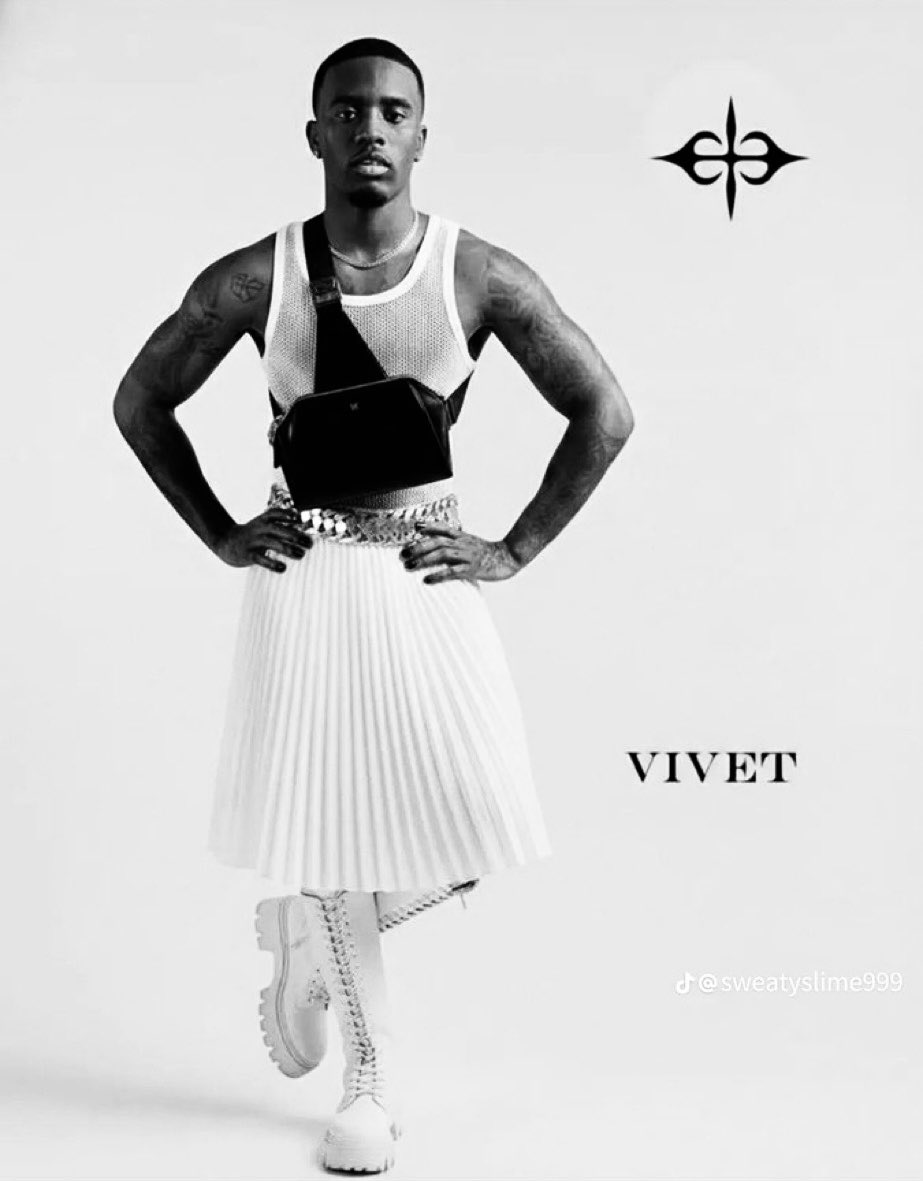
Vivet’s first collection moved across menswear and womenswear, with looks ranging from hoodies and tracksuits to leather, fur and accessories. Complex described the collection as a progression of Cenat’s design journey, from the first pieces he learned to make to more developed outerwear and accessories.
Then came the business move. Select pieces were available on Vivet’s site after the show, giving the debut a “see now, buy now” component instead of forcing the audience to wait months for retail.
That matters because Cenat’s strongest advantage is not only visibility. It is immediacy.
Traditional fashion launches often separate runway, press coverage, social conversation and commerce into different stages. Vivet can collapse those stages. The same audience that watches the process can watch the show, discuss the collection and shop it without leaving the brand’s broader content ecosystem.
Creator economy, but with ownership
Cenat spent much of 2026 documenting the work behind the label, including learning to sew, studying textiles and traveling to Italy. Law Roach appeared as a mentor in that process. The education itself became content, which meant the audience was not introduced to Vivet at the finish line. They were brought into the build.
A sponsorship asks a creator to borrow attention for someone else’s product. An owned brand asks whether that attention can become infrastructure. Vivet is testing the second model.
From influence to ownership
The fashion industry will ultimately judge Vivet on the clothes, not follower counts. Construction, consistency, point of view and the ability to evolve beyond one headline-making debut will decide whether the label lasts.
But the launch already demonstrates something important about where media and fashion are going. The creator no longer has to wait for a magazine, retailer or television network to introduce the product to the public. The creator can build the audience, document the process, stage the event and move directly into commerce.
That is not just influence. It is distribution ownership.
After Vivet’s first New York runway, the question is no longer whether Kai Cenat can get people to pay attention to a fashion brand. The question is whether he can turn that attention into a fashion institution.
Sources: Complex; Hypebeast / VIVET runway imagery; 103.9 WDKX; VIVET official site.