NEW YORK — New York Fashion Week usually closes with a question: who owned the week after the runway lights went down?
Harper’s Bazaar answered with a room.
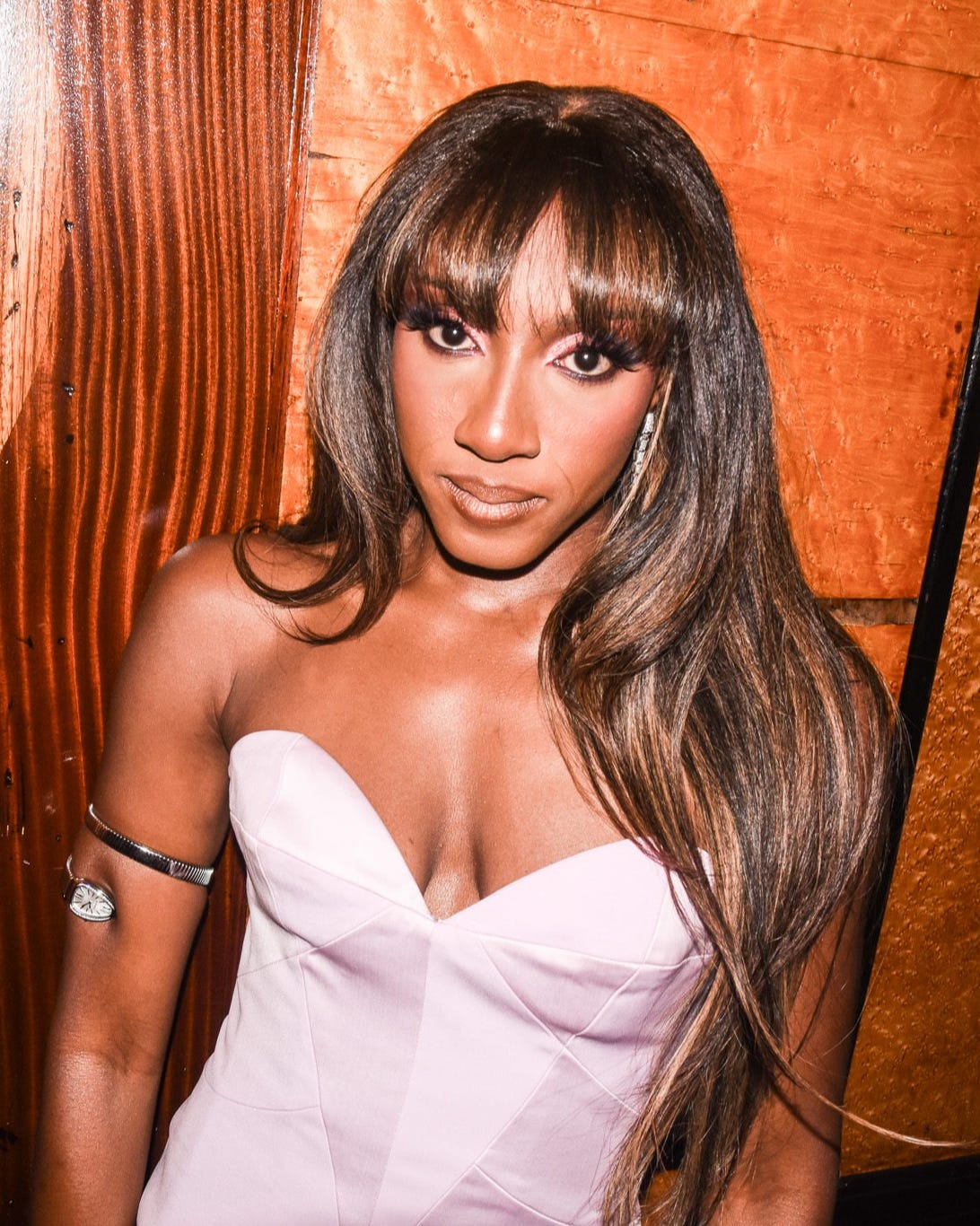
The magazine and Bulgari gathered artists, athletes, editors, models and cultural provocateurs at Le Veau d’Or for the annual Icons dinner on September 14. The guest list included Ziwe, Bethann Hardison, Fran Lebowitz, Paloma Elsesser, Julie Mehretu, Alysa Liu, Kim Gordon, Nara Smith, Marlon James and Eva Chen. Editor-in-chief Samira Nasr hosted the dinner around the magazine’s September 2026 Icons issue.
The real luxury product was proximity
Luxury events often sell exclusivity through scale. This one worked in the opposite direction. Le Veau d’Or is intimate, historically New York and tightly connected to Nasr through her brother, restaurateur Riad Nasr. That choice made the dinner feel authored rather than rented.
The room placed fashion beside contemporary art, literature, sport, comedy and digital media. That mix matters. A brand does not become culturally relevant because it attracts the largest crowd. It becomes relevant when the people in the room create unexpected connections and give the event a life beyond the guest list.


Icons as a living network
Harper’s Bazaar did not limit the idea of an icon to celebrity. Mehretu brought contemporary art into the room. Hardison carried fashion history and advocacy. Alysa Liu connected the event to elite sport. Ziwe brought sharp cultural commentary. Paloma Elsesser represented a modern fashion image shaped by voice as much as visibility.
Bulgari’s jewelry added the commercial layer, but the strongest brand signal came from the gathering itself. The event positioned luxury as participation in culture, not simply ownership of expensive objects.
The details extended the editorial idea
Guests received Harper’s Bazaar tote bags and could pick up lighters printed with the word “Icons.” Those objects were small, but strategically useful. They turned the editorial theme into something guests could carry out of the restaurant and into social feeds, street photographs and later conversations.
This is the quiet machinery of a strong media event. The issue creates the premise. The venue creates the mood. The guest mix creates the story. The partner adds resources and visual codes. The takeaway extends the moment after the room clears.
Why the room worked
The dinner worked because it understood that cultural authority is no longer held by one industry. Fashion needs art. Luxury needs sport. Media needs people whose influence feels earned beyond a red carpet.
New York Fashion Week ended with runways across the city, but one of its clearest closing statements came from a dinner table: the most valuable room is the one where different forms of power can recognize each other.
Sources: Harper’s Bazaar. Event photography by Matthew Weinberger for Harper’s Bazaar.