NEW YORK. To a fan, this weekend can look like a menu: pick a match, a concert, a runway show or a baseball game and go.
To the people producing those experiences, it looks more like a giant moving puzzle.
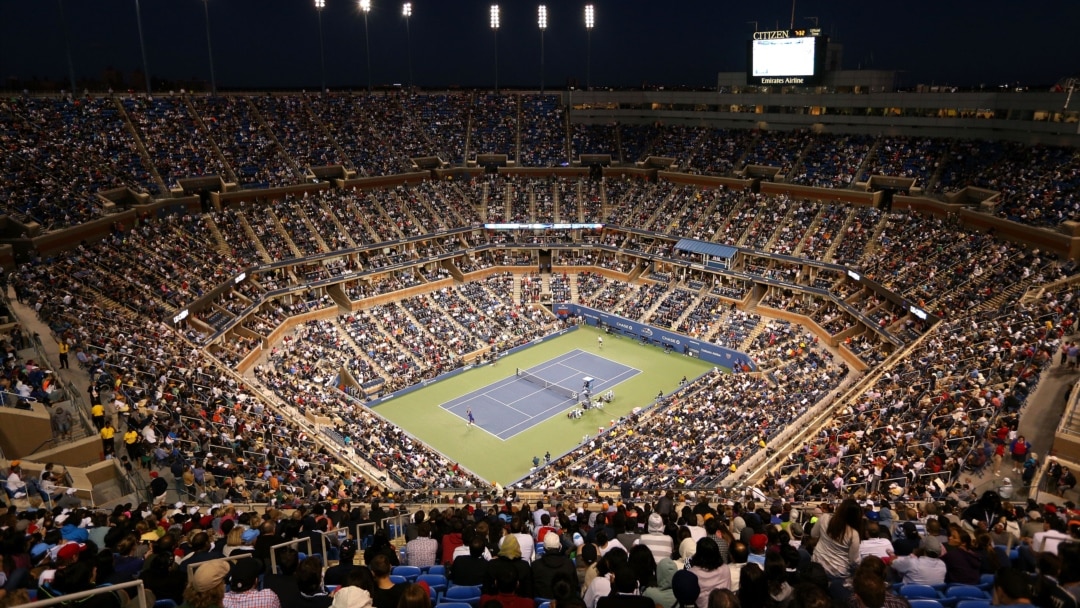
New York Fashion Week is active across the city. The US Open is reaching its final weekend in Queens. The Yankees and Mets begin a Subway Series in the Bronx. Harry Styles is at Madison Square Garden. Jay Park is at the Infosys Theater in the same complex. BIGBANG is at MetLife Stadium across the river.
Each event has its own production team and operating plan. But all of them are drawing from the same regional infrastructure: roads, trains, hotels, security labor, hospitality workers, vendors, rideshare capacity, media attention and, most importantly, people.
The fan experience starts before anyone reaches the gate
A guest may judge an event by the show, match or collection. Their experience begins much earlier. Transportation messaging, arrival windows, wayfinding, bag policies, credential pickup, ADA access and security queues shape how people feel before the main event starts.
On a weekend this dense, communication becomes even more important. A fan leaving Midtown for MetLife is moving through a different transportation problem from someone heading to Arthur Ashe Stadium or Yankee Stadium. Producers cannot control the whole city, but they can control how clearly they prepare people for it.
Different events solve the same human problems
A runway show and an NFL-sized concert do not use the same operating plan. They do share basic questions. Who is arriving? When are they arriving? What are they carrying? Where do they go next? What happens if they need help? How do VIPs, media, talent, vendors and general guests move without creating friction for one another?
The best event operations are almost invisible. Guests remember that everything felt easy. They rarely see the staffing plans, radio calls, credential matrices, load-in schedules, seating holds, emergency routes, catering counts and last-minute adjustments underneath that feeling.
Premium hospitality raises the stakes
Large sports and entertainment properties now sell far more than admission. Suites, clubs, sponsor spaces, lounges, merchandise, food and beverage, meet-and-greets and curated arrival experiences all create separate journeys inside the same event.
That means one ticketed crowd can contain several completely different expectations. A producer has to protect the premium experience without making the rest of the building feel secondary.
The brand layer has to feel native
This weekend is also a competition for attention. Every sponsor wants visibility, but the strongest activations solve something for the fan or deepen the story of the event. A useful giveaway, memorable photo moment, hospitality benefit or piece of merchandise can extend the experience. A logo placed everywhere without purpose usually cannot.
The Behind the Event read
When New York looks impossibly busy, spectacle gets the attention. The infrastructure underneath it determines whether the weekend actually works.
The real achievement is not getting thousands of people into a room. It is moving them through a complicated environment in a way that makes the complexity disappear.
This weekend, the city becomes the shared concourse for fashion, tennis, baseball and music. Behind every seamless moment is someone solving the next problem before the crowd ever knows it existed.