QUEENS. The traditional sports-event ending is simple: the match finishes, the crowd leaves and the venue starts turning over.
The US Open is testing a more ambitious version of the fan journey.
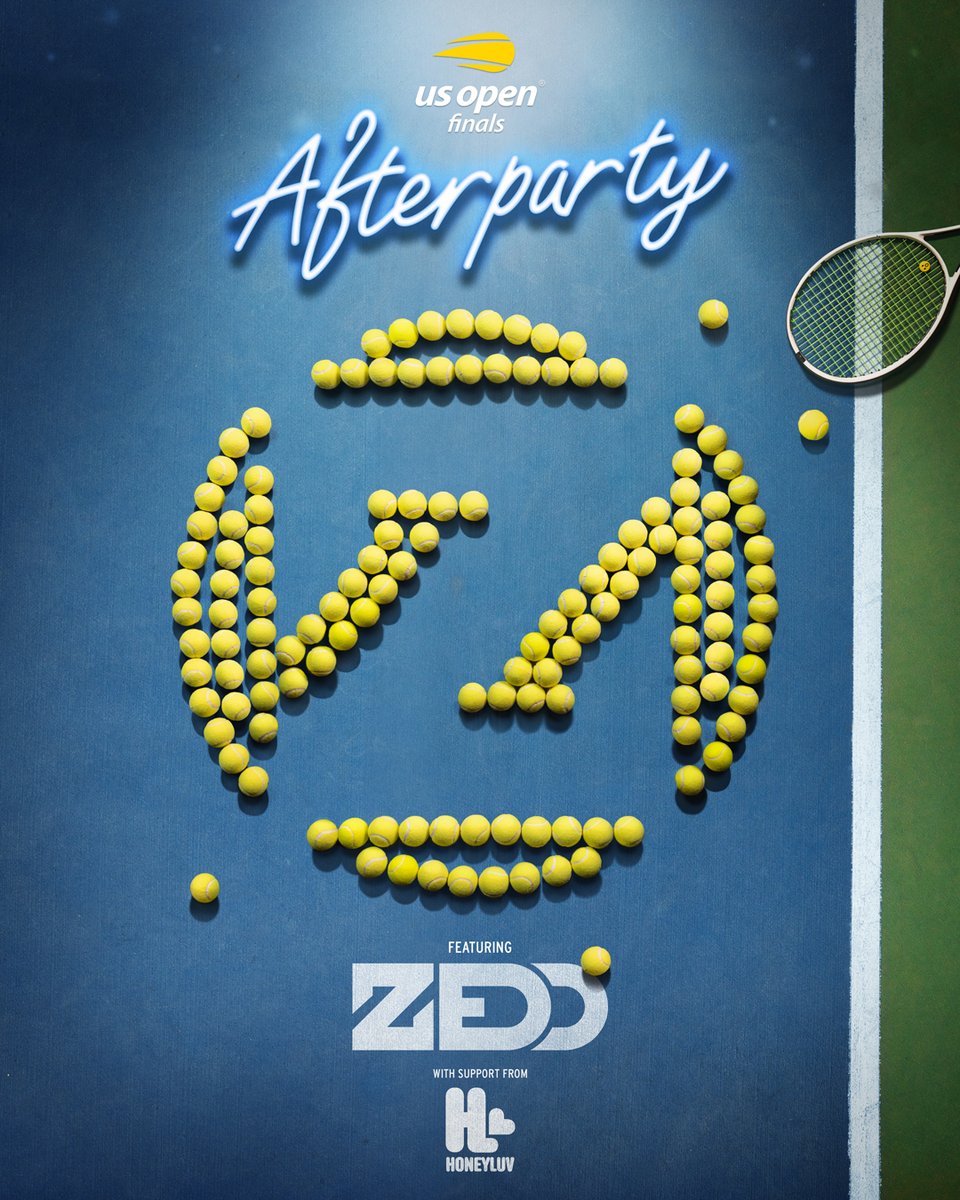
On Saturday, September 12, the women’s singles final begins at 4 p.m. at Arthur Ashe Stadium. Hours later, at 9 p.m., Louis Armstrong Stadium becomes a dance floor for the US Open Finals Afterparty, headlined by Zedd with special guest HoneyLuv.
The afterparty requires its own ticket. That distinction matters because the USTA is not simply adding background entertainment to a tennis session. It is creating a second paid event inside the same tournament ecosystem.
The tournament is extending the value of being on site
Finals Fan Fest runs Saturday and Sunday across the USTA Billie Jean King National Tennis Center. Grounds-pass holders can watch the finals in Louis Armstrong Stadium and Fountain Plaza, catch fan programming and see celebrity arrivals on the US Open Blue Carpet.
Then Saturday night shifts again. The tennis venue becomes a music venue.
Why the venue conversion matters
Louis Armstrong Stadium is designed for tennis, not as a permanent nightclub. Turning it into an afterparty means the production story has to change quickly. Audio, lighting, stage positioning, guest flow, security, concessions and crowd energy all need to feel intentional even though the building has spent the day operating as a sports venue.
That is one of the most interesting trends in major events. Facilities are being asked to create several different emotional experiences in a single day. The venue is no longer only a container for competition. It becomes programmable inventory.
Music is now part of the US Open’s event identity
The 2026 tournament opened its live-music calendar with The Lumineers inside Louis Armstrong Stadium, and the Finals Fan Fest adds DJs throughout championship weekend. Saturday’s afterparty is the clearest expression of that crossover.
For fans, it means the day does not have to end at match point. For the event, it creates another ticket, another sponsor platform, more food-and-beverage opportunity and another reason for people to remain emotionally connected to the grounds.
The Brand Playbook
The smart move is not simply adding a concert to a sports property. The music has to feel like a natural extension of the audience and the moment.
Tennis already has rhythm, fashion, celebrity, nightlife and premium hospitality built into the US Open experience. A finals afterparty works because it amplifies behaviors that are already present rather than forcing a completely unrelated activation onto the fan.
The Behind the Event read
The most impressive part may happen when spectators never notice the transition work at all.
One minute Louis Armstrong Stadium belongs to finals-weekend tennis. The next chapter asks the same building to feel like New York nightlife. If the conversion feels effortless, that is the result of an enormous amount of planning that happened long before Saturday.
The most compelling handoff happens where sport ends, entertainment begins and the event business makes the transition feel seamless.
Sources: US Open Finals Fan Fest · USTA.